
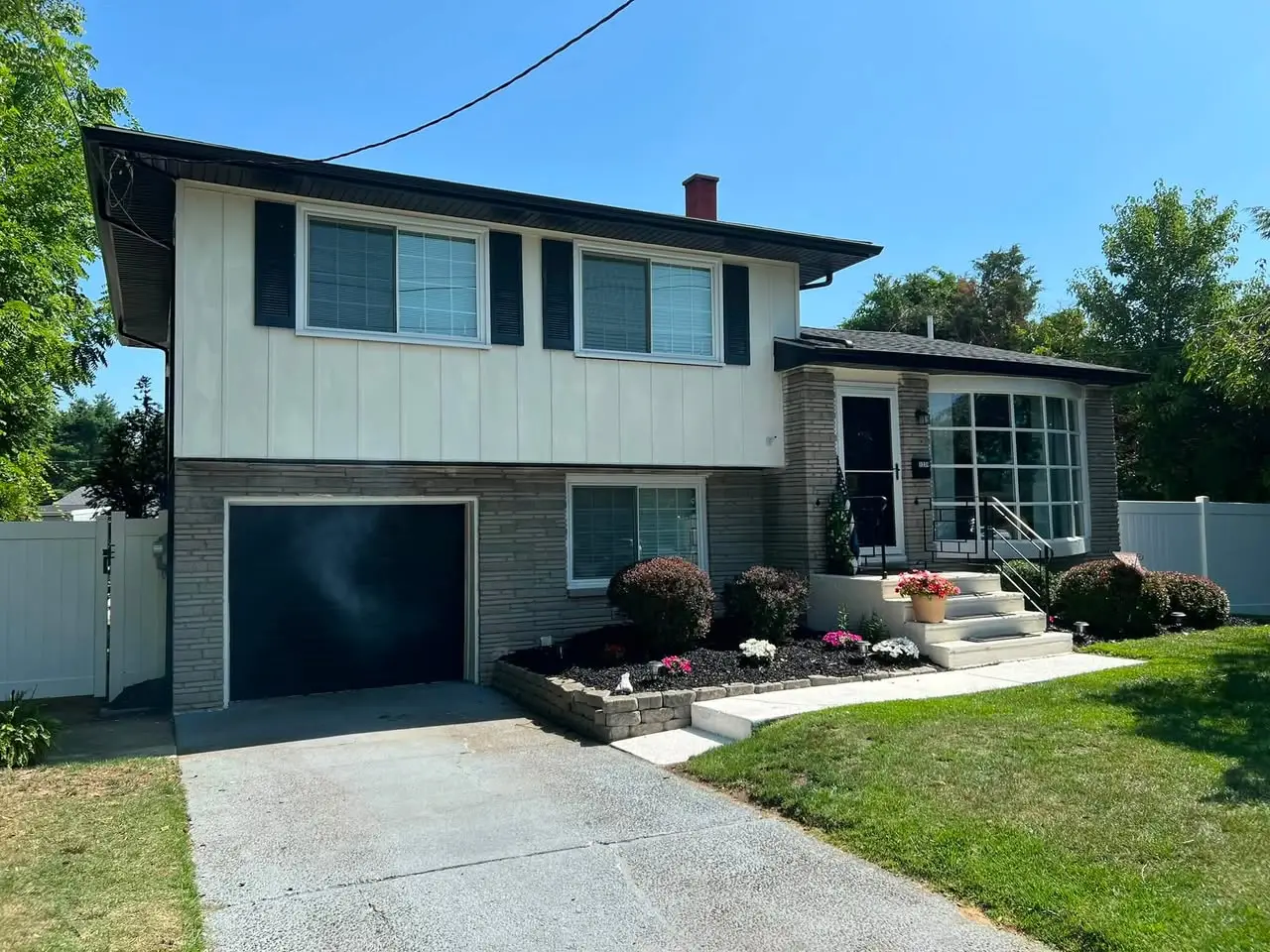
Gutters that sag, leak, pull away, or overflow after cleaning need a closer review. Replacement may be needed if the gutter is damaged; a pitch, downspout, or discharge change may address a drainage problem without replacing the whole system.
Precision Exteriors reviews gutters and drainage together with the roof edge, fascia, and siding on South Jersey homes.
Signs Your Gutters Are Not Doing Their Job
A gutter issue is often easiest to spot during or right after a storm. Look for:
- Water spilling over the front of the gutter
- Water running behind the gutter
- Gutter sections pulling away from the fascia
- Rust, holes, cracks, or failing seams
- Sagging runs that hold standing water
- Washed-out mulch or soil below the roof edge
- Staining on siding, brick, or fascia
- Water pooling near the foundation
- Downspouts emptying too close to the house
- Icicles or winter overflow at the same roof edge each year
Cleaning may solve the issue if leaves or debris are the only problem. Replacement or redesign may be needed when the system is damaged, poorly pitched, too small for the roof area, or missing the right downspout path.
Why Downspouts Matter
A gutter can collect water correctly and still fail if the downspout sends that water to the wrong place. Downspouts should move water away from the house, avoid dumping water against steps or walkways, and account for landscaping and grading.
If you see water cutting channels through mulch, collecting near basement walls, or freezing across walkways in winter, the downspout layout should be reviewed. A gutter estimate should explain downspout location, extension options, and how the system will move water after it leaves the roofline.
Gutters and Roof Leaks Can Overlap
Not every ceiling stain is caused by a shingle problem. Overflowing gutters can push water into fascia, soffits, wall intersections, and lower roof edges. On homes with porches, additions, low-slope tie-ins, or heavy tree cover, drainage can be part of the leak path.
That is why a roof inspection should include a look at gutter flow when the symptoms appear near an exterior wall, corner, overhang, or lower roof edge. Precision Exteriors can review roof repair needs at the same time as the gutter system.
What a Strong Gutter Estimate Should Explain
Ask the estimate to identify:
- Existing gutter condition
- Whether fascia or wood behind the gutter looks damaged
- Gutter size and style
- Seamless gutter options
- Downspout count and location
- Where water will discharge
- Whether extensions or drainage changes are recommended
- How the crew protects landscaping and cleanup
If your home has a steep roof, long roof runs, valleys that dump large amounts of water, or heavy tree cover, mention those concerns before the final scope is written.
Seasonal Timing in South Jersey
Spring and summer storms can expose overflow issues quickly. Fall leaves can clog gutters and hide pitch problems. Winter freeze-thaw cycles can make poor drainage more obvious through ice buildup, heavy icicles, or water backing up at the eaves.
If the same area overflows in multiple seasons, the problem may be more than a simple cleaning issue.
If your gutters overflow, leak, or send water back toward the house, request a free inspection or call Precision Exteriors at 856-292-7282.
Questions homeowners often ask
How do I know if my gutters need replacement?
Replacement may make sense when gutters sag, pull away, leak at seams, overflow often, or cannot move water away from the home even after cleaning.
Can bad gutters cause roof problems?
Yes, poor gutter flow can affect fascia, soffits, lower roof edges, siding, landscaping, and water movement near the foundation.
Should downspouts be part of the gutter estimate?
Yes, the estimate should explain how downspouts move water away from the house, not just the gutter size along the roofline.