
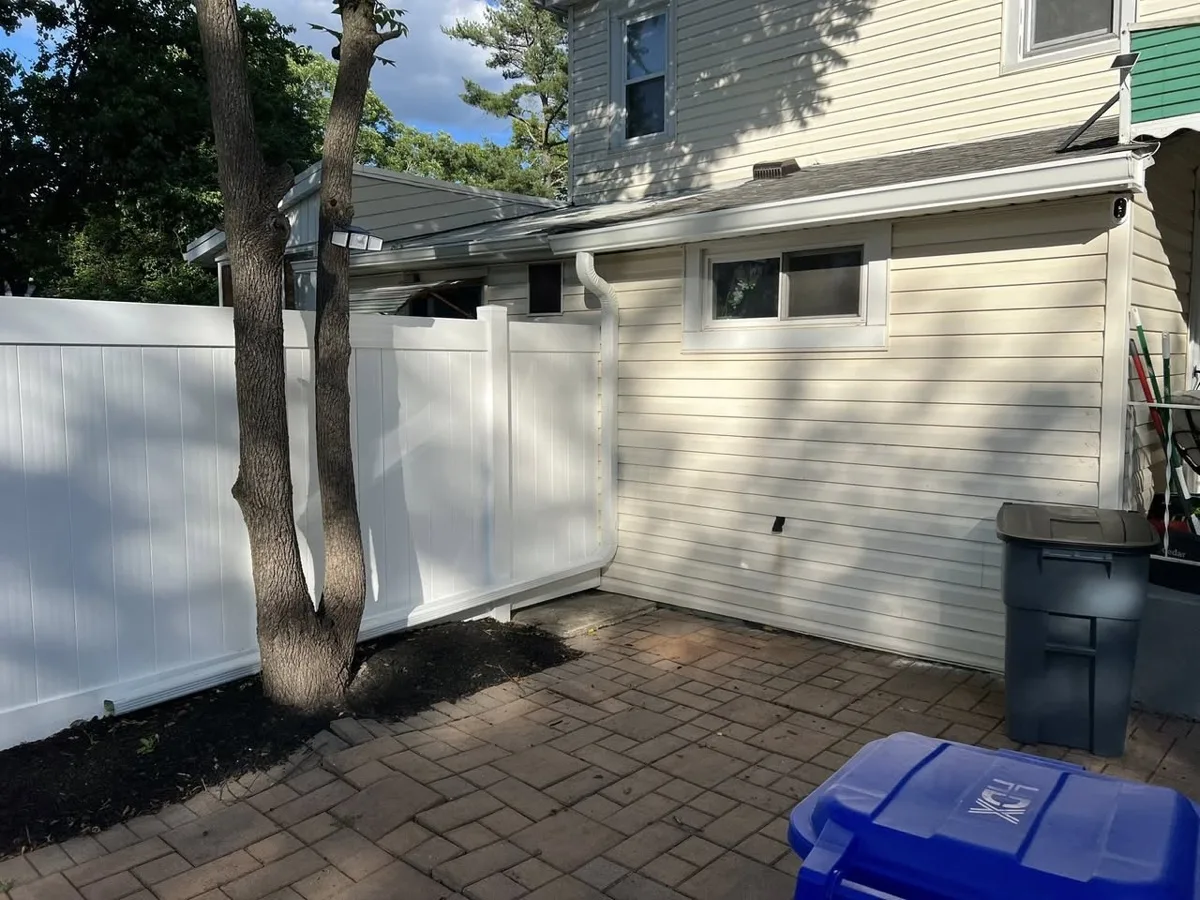
Compare gutter contractors by how they plan the full water path: roofline, gutter pitch, outlets, downspouts, and discharge points. The estimate should also identify damaged fascia and explain whether it needs work before gutters are attached.
Precision Exteriors provides gutter installation and drainage planning for South Jersey homes from its Blackwood base. Use this checklist when reviewing a proposed gutter layout.
What a Gutter Contractor Should Check
Ask the contractor to check:
- Sagging or loose gutter runs
- Leaks at seams or corners
- Fascia condition behind the gutter
- Downspout count and location
- Areas where water spills over
- Water stains on siding or brick
- Mulch or soil washout below the roofline
- Roof valleys that send heavy water into one spot
- Whether extensions or discharge changes are needed
Why Downspouts Matter
Downspouts decide where the water goes. If they dump too close to the foundation, across a walkway, behind landscaping, or into a low spot, the gutter can still create problems even if it is new.
In South Jersey, heavy rain can expose poor downspout placement quickly. Ask where each downspout will discharge and whether any extensions, splash blocks, or drainage adjustments should be considered.
When Gutter and Roof Work Overlap
Gutters and roofs often affect each other. Overflow can damage fascia and lower roof edges. A roof replacement can reveal fascia or decking concerns near the gutter line. A roof leak near an exterior wall may partly involve drainage.
If you are scheduling roof repair or replacement, ask whether the gutter work changes the roofing scope or sequence.
If your gutters overflow, sag, or send water toward the home, request a free inspection or call 856-292-7282.
Questions homeowners often ask
What should a gutter contractor inspect?
A gutter contractor should review gutter condition, fascia, pitch, downspout placement, discharge paths, roofline flow, and visible drainage problems.
Do gutters need to be replaced with a roof?
Not always. Existing gutters can sometimes stay, but they should be reviewed when roofline drainage, fascia, or downspouts are part of the problem.
Why do my gutters overflow even when they are clean?
Overflow can come from poor pitch, undersized gutters, too few downspouts, heavy roof valleys, or water discharging into the wrong area.